10 Signs Your Cat Is Obsessed With You

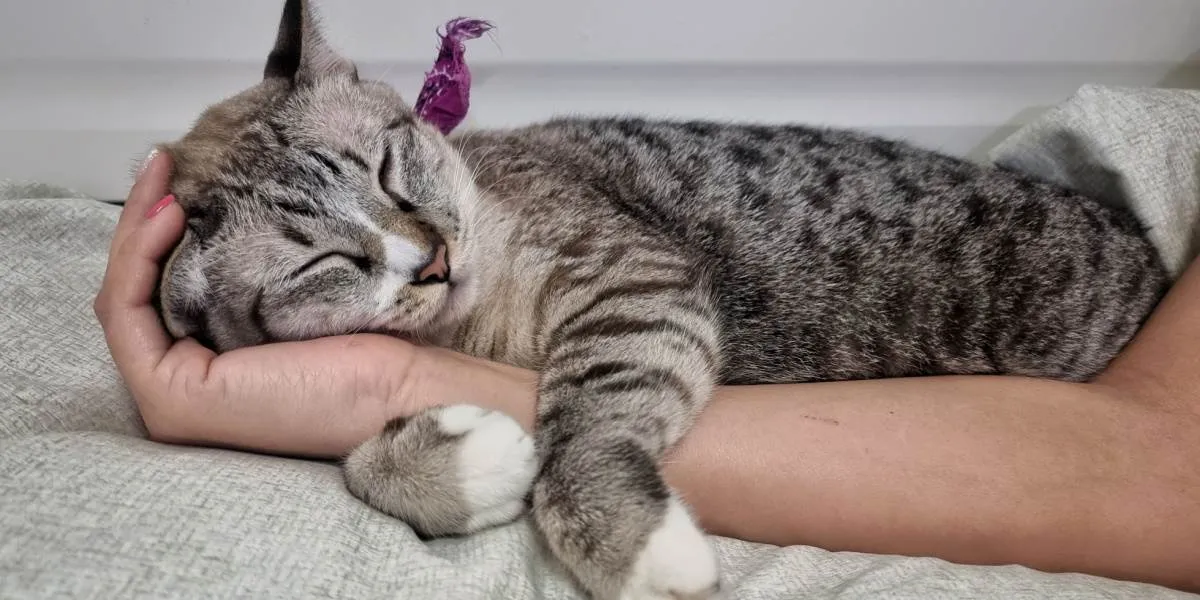
As veterinarians, we've seen countless cat owners wonder if their feline friend is truly attached to them. The answer often lies in subtle yet significant behaviors that cats exhibit around their owners. At our clinic, we've noticed that many cat owners are eager to understand their cat's emotions and behaviors, and that's why we're excited to share the top 10 signs your cat is obsessed with you. By recognizing these signs, you can strengthen your bond with your cat and provide them with the care and attention they deserve.
Table of Contents
Introduction to Cat Attachment
Cat attachment is a complex phenomenon that involves a range of behaviors, from affectionate displays to clingy habits. While some cats may appear aloof or independent, they can still form strong bonds with their owners. As a veterinarian, I've seen firsthand how cats can become deeply attached to their owners, and it's essential to recognize the signs of this attachment to provide the best possible care.
Signs Your Cat Loves You
Also Read
Check out more pet care guides hereSo, how can you tell if your cat is obsessed with you? Here are the top 10 signs to look out for:
- Cat follows you everywhere: If your cat follows you from room to room, it's a sign that they've formed a strong attachment to you.
- Cat stares at you: Cats often stare at their owners as a way of showing affection and interest.
- Cat sleeps on you: If your cat chooses to sleep on your lap or next to you, it's a sign of trust and comfort.
- Cat brings you gifts: Cats often bring their owners gifts, such as toys or small prey, as a way of showing affection and loyalty.
- Cat head bunting: When a cat gently bumps their head against you, it's a sign of affection and marking.
- Cat slow blinking: Cats slow blink as a way of showing trust and relaxation around their owners.
- Cat purring around you: Purring is a sign of contentment and happiness, and if your cat purrs around you, it's a good indication that they feel comfortable and attached.
- Cat kneading on you: Kneading is a sign of comfort and relaxation, and if your cat kneads on you, it's a sign that they feel at ease in your presence.
- Cat meowing at you only: If your cat meows at you and not at other people, it's a sign that they've formed a strong bond with you.
- Cat waits at door for you: If your cat waits at the door for you to come home, it's a sign that they're excited to see you and have formed a strong attachment.
These signs can vary in intensity and frequency, but if you notice several of them in your cat's behavior, it's likely that they're obsessed with you.
As a veterinarian, I always advise cat owners to pay attention to their cat's behavior and body language. By recognizing the signs of attachment, you can provide your cat with the care and attention they need to thrive.
Cat Attachment Signs
In addition to the signs listed above, there are several other behaviors that can indicate cat attachment. These include:
| Behavior | Meaning |
|---|---|
| Cat rubs against legs | A sign of affection and marking |
| Cat tail up greeting | A sign of excitement and happiness |
| Cat jealousy signs | A sign of possessiveness and attachment |
| Cat protective behavior | A sign of loyalty and defense |
Expert Tips for Strengthening Your Bond
Now that you know the signs of cat attachment, here are some expert tips for strengthening your bond with your feline friend:
- Spend quality time with your cat: Engage in activities that your cat enjoys, such as playtime or grooming.
- Provide a comfortable environment: Ensure your cat has a warm, safe, and comfortable place to rest and relax.
- Show affection and attention: Cats thrive on attention, so be sure to show your cat affection and attention regularly.
- Be patient and consistent: Cats can be unpredictable, so it's essential to be patient and consistent in your interactions with them.
Common Mistakes to Avoid
While it's essential to recognize the signs of cat attachment, it's also important to avoid common mistakes that can damage your bond with your cat. These include:
- Ignoring your cat's boundaries: Respect your cat's personal space and boundaries to avoid overwhelming or stressing them.
- Not providing enough attention: Cats need attention and affection, so be sure to spend quality time with your cat regularly.
- Not providing a stable environment: Cats thrive on routine and stability, so be sure to provide a consistent and predictable environment.
Conclusion
In conclusion, recognizing the signs of cat attachment is essential for providing your feline friend with the care and attention they need. By following the expert tips outlined above and avoiding common mistakes, you can strengthen your bond with your cat and build a lifelong friendship. Remember, every cat is unique, so be patient and attentive to your cat's individual needs and personality.
Dr. Amelia Richardson
DVM, Senior Veterinary Editor
Veterinarian with 12+ years of experience in small animal medicine, pet nutrition, and behavioral science. Passionate about helping pet owners provide the best care for their furry companions.
Leave a Comment