7 Subtle Ways You Might Be Offending Your Cat

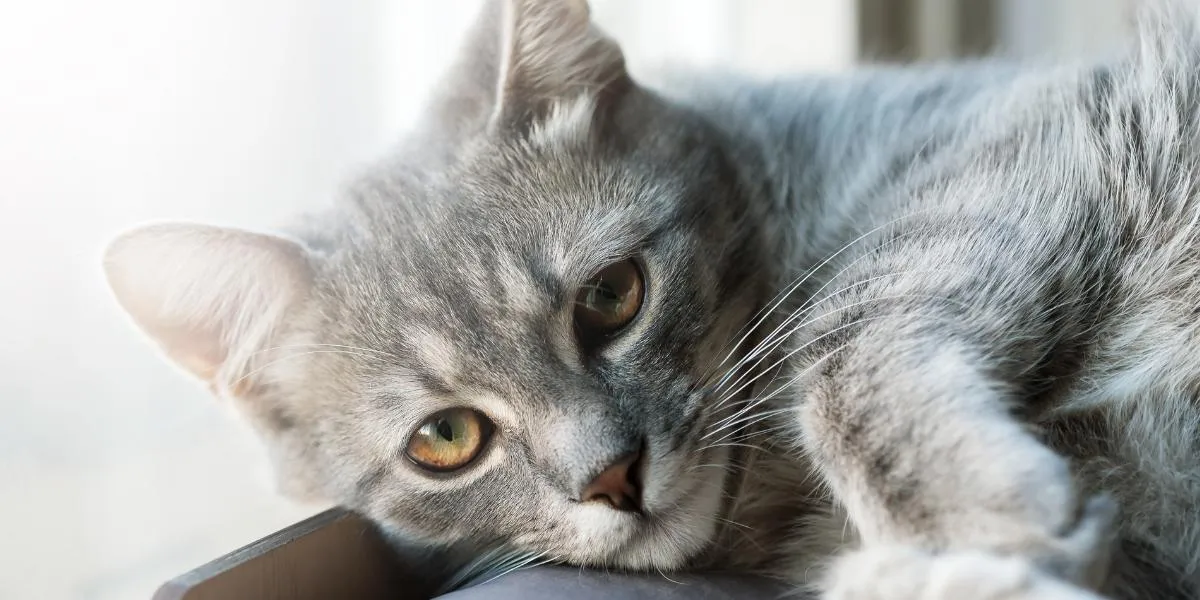
As pet owners, we often strive to provide the best possible care for our feline friends. However, despite our best intentions, we may unintentionally be offending our cats. At our veterinary practice, we've seen numerous cases where cat owners have unknowingly stressed or annoyed their pets, leading to behavioral changes and a strained relationship. In this article, we'll explore the 7 subtle ways you might be offending your cat and provide expert advice on how to improve your bond with them.
Table of Contents
Introduction to Cat Behavior
Cats are highly sensitive animals that communicate primarily through body language. As their owners, it's essential to understand and respect their boundaries to avoid unintentionally offending them. We've seen many cases where cat owners have misinterpreted their pet's behavior, leading to misunderstandings and a strained relationship.
Understanding Subtle Cat Body Language
Cats use various body language cues to communicate their emotions and needs. Some common signs of stress or annoyance in cats include tail flicking, ear positioning, and avoiding eye contact.
As a veterinarian, I always advise cat owners to pay attention to their pet's tail language. A flicking tail can indicate agitation or annoyance, while a tucked-in tail may suggest fear or submission.
Also Read
Check out more pet care guides hereIt's also essential to recognize the importance of personal space for cats. Over petting or handling can be overwhelming and stressful for them, leading to behavioral changes such as hiding or avoidance.
Recognizing Cat Stress Signals
Cats exhibit various stress signals, including pacing, meowing, or hiding. It's crucial to identify these signs and take steps to alleviate your cat's stress. The following table highlights some common cat stress signals and their meanings:
| Stress Signal | Meaning |
|---|---|
| Tail flicking | Annoyance or agitation |
| Ear positioning | Fear or submission |
| Avoiding eye contact | Fear or stress |
Common Mistakes Cat Owners Make
As cat owners, we often make mistakes that can offend our pets without realizing it. Some common mistakes include over petting, not providing enough personal space, and disregarding their boundaries. It's essential to respect your cat's individual personality and needs to avoid unintentionally stressing or annoying them.
Respecting Cat Boundaries
Cats have unique personalities and boundaries that should be respected. It's crucial to recognize and respond to their individual needs, including providing a safe and comfortable environment. This includes avoiding loud noises, providing a consistent routine, and creating a cat-friendly space.
Expert Tips for Building Trust with Your Cat
Building trust with your cat requires patience, understanding, and respect for their boundaries. Here are some expert tips to help you improve your relationship with your feline friend:
- Provide a safe and comfortable environment
- Respect their personal space and boundaries
- Avoid loud noises and stressful situations
- Establish a consistent routine
- Offer a balanced and nutritious diet
By following these tips and being mindful of your cat's subtle body language cues, you can build a stronger, more loving relationship with your pet.
Conclusion
In conclusion, as cat owners, it's essential to recognize the subtle ways we might be offending our pets and take steps to improve our relationship with them. By understanding and respecting their boundaries, providing a safe and comfortable environment, and avoiding common mistakes, we can build trust and strengthen our bond with our feline friends. Remember, every cat is unique, and it's crucial to tailor your approach to your pet's individual needs and personality. By doing so, you can create a happy, healthy, and loving relationship with your cat.
Dr. Amelia Richardson
DVM, Senior Veterinary Editor
Veterinarian with 12+ years of experience in small animal medicine, pet nutrition, and behavioral science. Passionate about helping pet owners provide the best care for their furry companions.
Leave a Comment