9 Homemade Dog Treat Recipes Perfect for Thanksgiving (Vet-Approved)

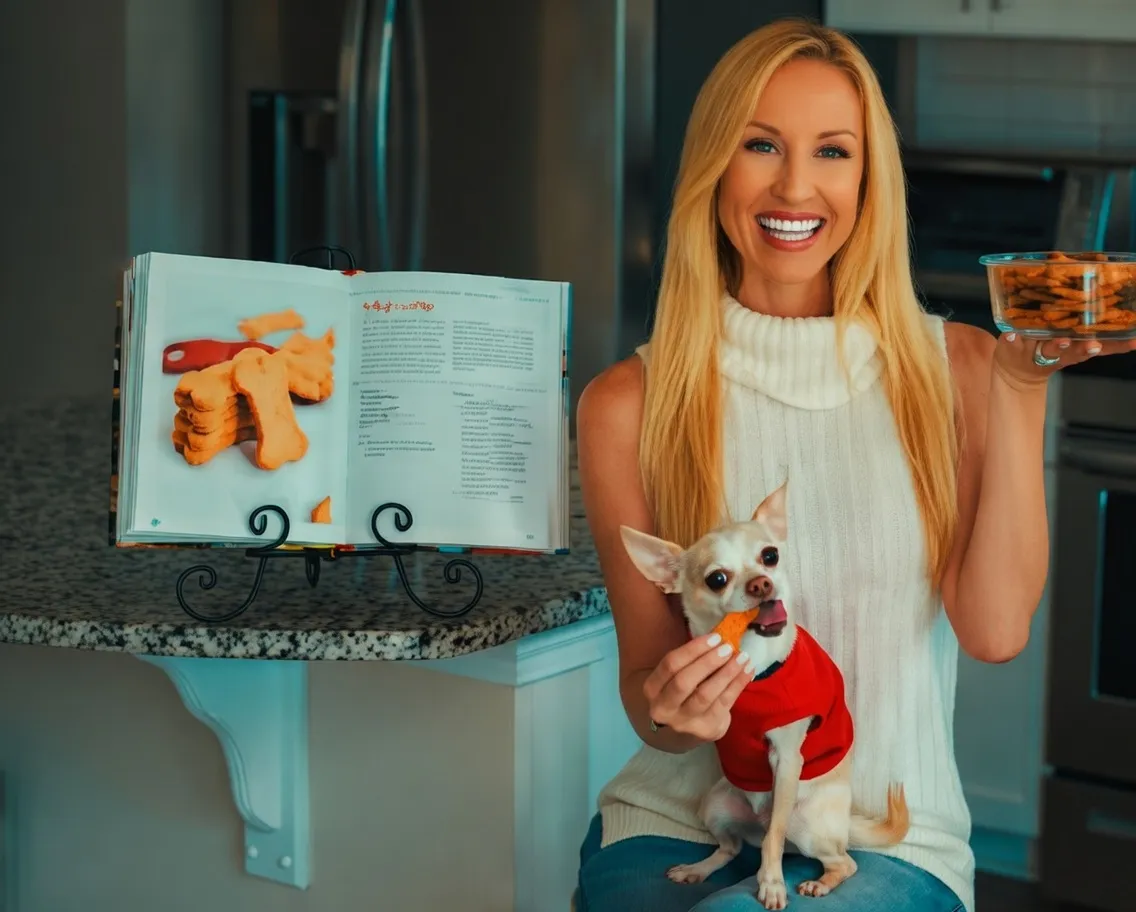
Every Thanksgiving, veterinary emergency rooms across the United States see a sharp spike in visits — not from accidents, but from well-meaning dog owners sharing holiday leftovers. The problem is not love; it is information. Many foods that smell delicious to a dog are laced with ingredients — onions, garlic, raisins, rich fats — that can trigger everything from vomiting to life-threatening kidney failure. The solution is not to exclude your dog from the celebration. It is to give them their own Thanksgiving feast made from ingredients that are genuinely good for them. These nine recipes do exactly that.
Table of Contents
Safe vs. Dangerous Thanksgiving Foods for Dogs
Before you start baking, it helps to understand exactly which Thanksgiving ingredients are safe to include in dog treats — and which ones could land your dog in the emergency room. The division is often counterintuitive: pumpkin is excellent; pumpkin pie filling is dangerous. Plain turkey is fine; turkey with gravy and skin is not.
Plain cooked turkey (boneless, skinless, no seasoning) — lean protein, widely included in commercial dog foods
Canned pure pumpkin puree (NOT pie filling) — excellent for digestion, high in fibre and beta-carotene
Sweet potato (plain, boiled or baked, no butter, no marshmallows) — rich in vitamins A and C, fibre
Plain green beans (no butter, no salt) — low calorie, high fibre, safe in generous amounts
Carrots (raw or cooked, plain) — crunchy, low calorie, good for teeth
Plain cranberries (fresh or frozen, unsweetened, small amounts) — antioxidants; avoid cranberry sauce which has too much sugar
Oats / whole wheat flour / oat flour — safe baking bases for dog treats
Eggs — safe and nutritious when fully cooked
Xylitol-free peanut butter — safe in moderation; always check label
Onions & garlic (raw, cooked, powdered, or dried) — destroy red blood cells, cause haemolytic anaemia; garlic is roughly five times more potent than onions
Grapes, raisins & currants — even tiny amounts can cause acute, potentially fatal kidney failure in dogs
Turkey bones — splinter into sharp shards that can puncture the oesophagus, stomach or intestines
Turkey skin & gravy — dangerously high fat content triggers pancreatitis, even in one holiday meal
Stuffing — almost always contains onion, garlic and/or raisins; never share
Pumpkin pie filling — contains added sugar and spices including nutmeg, which is toxic to dogs
Chocolate — theobromine causes vomiting, seizures and potentially death; dark chocolate most dangerous
Xylitol / sugar-free foods — causes rapid blood sugar crash and liver failure; found in some peanut butters, sugar-free desserts and gum
Macadamia nuts — cause weakness, vomiting and neurological symptoms
Raw bread/yeast dough — expands in the stomach, produces ethanol, causes bloating and alcohol toxicity
Alcohol — even a few drops is toxic; never leave unattended glasses where a dog can reach them
If your dog has eaten any of the dangerous foods above, do not wait for symptoms. Call your veterinarian immediately or contact the ASPCA Animal Poison Control Center at (888) 426-4435 or the Pet Poison Helpline at (855) 764-7661. Quick action significantly improves outcomes.
The 9 Recipes: Full Step-by-Step Instructions
Every recipe below uses only vet-safe ingredients. All are baked unless otherwise noted. Bake time assumes a conventional oven preheated to 350°F (175°C) unless the recipe specifies otherwise. Always allow treats to cool completely before giving them to your dog — this is not optional; warm treats can upset a dog's stomach and harbour bacterial growth.
🎃 Recipe 1: Pumpkin & Oat Pupcakes
Pumpkin is one of the best ingredients you can add to a dog's diet. It is high in soluble fibre, which regulates digestion — helpful for both constipation and loose stools. Combined with plain oats for sustained energy, this is the most popular of all Thanksgiving dog treat recipes.
Ingredients
- 1 cup plain canned pumpkin puree (not pie filling)
- ½ cup unsweetened applesauce
- 2 large eggs
- 2 cups whole wheat flour (or oat flour for grain-free)
- ½ cup rolled oats
Instructions
- Preheat your oven to 350°F (175°C). Line a baking sheet with parchment paper.
- In a large bowl, whisk together pumpkin puree, applesauce, and eggs until smooth.
- Gradually add flour and oats to the wet mixture, stirring until a stiff dough forms. If too sticky, add a little more flour; if too dry, add a teaspoon of water.
- Drop rounded tablespoons of dough onto the lined baking sheet, spacing 1 inch apart.
- Bake for 25 minutes until firm and golden. Transfer to a wire rack and cool completely before serving.
🦃 Recipe 2: Turkey & Cranberry Holiday Biscuits
Lean turkey provides excellent digestible protein, while fresh or frozen cranberries offer natural antioxidants. These biscuits look and smell festive enough to double as a gift for a fellow dog owner.
Ingredients
- 1 cup cooked, boneless, skinless turkey breast — minced (no seasoning)
- ¼ cup fresh or frozen cranberries — finely chopped (unsweetened)
- 2 cups oat flour
- 2 large eggs
- 2 tablespoons low-sodium chicken broth (no onion, no garlic)
Instructions
- Preheat oven to 350°F (175°C). Line a baking sheet with parchment paper.
- Combine turkey, cranberries, eggs and broth in a mixing bowl. Stir well.
- Add oat flour gradually and mix until a firm dough forms.
- Roll dough out on a lightly floured surface to approximately ¼ inch thickness.
- Use a bone-shaped or leaf-shaped cookie cutter to cut shapes.
- Bake for 18–20 minutes until lightly browned and firm. Cool completely on a rack.
🍠 Recipe 3: Baked Sweet Potato Chews
This is the simplest recipe on this list — it requires exactly one ingredient. Slow-baked sweet potato transforms into a firm, chewy, naturally sweet treat that virtually every dog loves. Sweet potatoes are loaded with vitamins A, B6 and C, potassium, and fibre.
Ingredients
- 2 large sweet potatoes
Instructions
- Preheat oven to 250°F (120°C). Line a baking sheet with parchment paper.
- Wash and peel the sweet potatoes. Slice into ¼-inch rounds (or into long thin strips for longer chews).
- Arrange slices in a single layer on the baking sheet — do not overlap.
- Bake for 2.5–3 hours, flipping once halfway through, until completely dried and firm but slightly chewy in the centre.
- Allow to cool fully before serving. They will firm up further as they cool.
🥜 Recipe 4: Peanut Butter & Pumpkin Frozen Paws
These frozen treats require no baking and can be made the day before Thanksgiving. They are perfect for keeping your dog happily occupied while you prepare the human feast. Freezing also extends shelf life by weeks, making them an ideal make-ahead holiday treat.
Ingredients
- ½ cup plain canned pumpkin puree
- ¼ cup xylitol-free peanut butter (smooth or crunchy)
- ¼ cup plain unsweetened Greek yoghurt
- 1 tablespoon honey (optional — omit for diabetic or overweight dogs)
Instructions
- Whisk together all ingredients in a bowl until completely smooth and combined.
- Pour the mixture into silicone paw-shaped moulds, ice cube trays, or a mini muffin tin lined with paper cups.
- Tap the mould gently on the counter to release any air bubbles.
- Freeze for a minimum of 3–4 hours, or overnight, until completely solid.
- Pop out of moulds and serve frozen. Keep extras in a sealed freezer bag.
🥕 Recipe 5: Carrot & Apple Crunch Biscuits
This recipe uses two of the most dog-friendly vegetables available. Carrots support dental health and are naturally sweet without added sugar. Apples provide vitamin C and pectin, a soluble fibre. The result is a crunchy biscuit dogs love to chew.
Ingredients
- 1 cup grated carrot (about 2 medium carrots)
- ½ cup unsweetened applesauce (or ½ cup peeled, grated apple)
- 2 cups whole wheat flour
- 1 large egg
- ½ teaspoon cinnamon (safe for dogs in small amounts)
Instructions
- Preheat oven to 350°F (175°C). Line a baking sheet with parchment paper.
- In a large bowl, beat the egg, then stir in grated carrot, applesauce and cinnamon.
- Add flour gradually, mixing until a stiff dough forms. Turn out onto a lightly floured surface.
- Roll out to ¼ inch thickness and cut into small bone or leaf shapes.
- Bake for 28–32 minutes until very firm and dry. Cool on a wire rack — they will crisp further as they cool.
🍗 Recipe 6: Sweet Potato & Chicken Jerky Strips
Homemade jerky gives you complete control over what goes into it — no preservatives, no sodium, no mystery meat. Chicken breast is a lean, highly digestible protein, while sweet potato adds natural sweetness and fibre. This recipe is particularly loved by dogs on hypoallergenic or grain-free diets.
Ingredients
- 1 large chicken breast (raw, boneless, skinless)
- 1 medium sweet potato — peeled
Instructions
- Preheat oven to 200°F (90°C). Line two baking sheets with parchment paper.
- Slice the chicken breast into thin strips, approximately ¼ inch thick, cutting along the grain.
- Slice the sweet potato into similar-sized thin strips.
- Arrange both on separate baking sheets in a single layer — do not let pieces touch.
- Bake for 2.5–3 hours, checking at the 2-hour mark. Pieces are done when completely dried and firm, with no moist centre.
- Cool fully on a rack before storing. Refrigerate in an airtight container.
🫘 Recipe 7: Turkey, Pumpkin & Oat Meatballs
These bite-sized savoury meatballs are the closest thing to a proper Thanksgiving plate your dog will ever get. They are protein-rich, naturally moist, and easy to give whole or crumble over kibble as a meal topper. They also freeze beautifully, making them perfect for gifting to dog-owning friends.
Ingredients
- 1 cup cooked, finely minced turkey breast (plain, no skin or seasoning)
- ½ cup plain canned pumpkin puree
- ¼ cup grated carrot
- ½ cup rolled oats
- 1 large egg
Instructions
- Preheat oven to 350°F (175°C). Line a baking sheet with parchment paper.
- Combine all ingredients in a bowl and mix thoroughly until uniform.
- Roll mixture into small balls approximately the size of a large marble (about 1 inch diameter). Size appropriately for your dog — larger balls for larger dogs.
- Place on the lined baking sheet, spacing slightly apart.
- Bake for 18–20 minutes until lightly browned on the outside and firm throughout.
- Cool completely before serving. Refrigerate or freeze extras immediately.
🫛 Recipe 8: Green Bean & Chicken Biscuits
Green beans are one of the most vet-recommended vegetables for dogs on weight management plans — they are extremely low in calories while being high in fibre, vitamin K and manganese. Combined with chicken, these biscuits make excellent training rewards for dogs on calorie-controlled diets.
Ingredients
- ½ cup cooked, finely minced chicken breast (plain, no seasoning)
- ½ cup plain cooked green beans — mashed or very finely chopped
- 2 cups whole wheat flour
- 1 large egg
- 3 tablespoons water (as needed)
Instructions
- Preheat oven to 350°F (175°C). Line a baking sheet with parchment paper.
- Mix chicken, green beans and egg together until combined.
- Add flour gradually, adding water one tablespoon at a time until a firm, workable dough forms.
- Roll out to ¼ inch on a floured surface. Cut into small shapes — small squares work well for training treats.
- Bake for 22–25 minutes until fully firm and just beginning to colour. Cool completely.
🫐 Recipe 9: Cranberry & Oatmeal Holiday Cookies
This is the most holiday-themed treat on the list — the combination of cranberry and oatmeal looks festive and tastes autumn-warming even without any sugar. Cranberries provide natural antioxidants and may support urinary tract health. Oats provide steady-release energy and are gentle on sensitive stomachs.
Ingredients
- ¼ cup fresh or frozen cranberries — roughly chopped (unsweetened)
- 1½ cups oat flour (or blended rolled oats)
- ½ cup rolled oats
- 2 large eggs
- 3 tablespoons xylitol-free peanut butter
- 2 tablespoons water
Instructions
- Preheat oven to 350°F (175°C). Line a baking sheet with parchment paper.
- Whisk eggs and peanut butter together in a large bowl until smooth.
- Fold in chopped cranberries, oat flour, and rolled oats. Add water and mix until a thick, sticky dough forms.
- Drop heaped tablespoons of dough onto the baking sheet. Flatten each cookie slightly with the back of a spoon.
- Bake for 20–22 minutes until set and lightly golden around the edges. Cool fully before serving.
Expert Tips for Preparing and Storing Homemade Dog Treats
The most important rule in homemade dog treat baking is this: when in doubt, leave it out. Dogs do not need flavour complexity. They do not need salt, sugar, or spice. They need whole food ingredients they can digest, prepared simply and stored safely.
Always cool completely before serving or storing. Warm treats harbour bacteria and can cause digestive upset. This applies even when you are eager to give your dog a taste while you bake — wait for the rack to cool fully. Typically 30–45 minutes for baked biscuits and up to an hour for meatballs.
Use airtight containers. Baked dog treats behave like human baked goods — exposed to air, they go stale quickly and can develop mould. Store in a glass jar or sealed plastic container. For treats containing meat (meatballs, jerky, chicken biscuits), always refrigerate and consume within the indicated timeframe.
Label and date every batch. When you make multiple recipes around Thanksgiving, labelling each container with the recipe name and baking date prevents confusion and helps you use the freshest treats first.
Freeze generously. Almost every recipe on this list freezes well for up to three months. Bake large batches, freeze in serving-sized portions in zip-lock bags, and defrost as needed. This is also what makes homemade dog treats excellent Christmas or birthday gifts for fellow dog owners — frozen, well-labelled, and shared with recipe cards.
Introduce new recipes gradually. Even with completely safe ingredients, a sudden change in what your dog eats can cause temporary digestive upset. Introduce a new treat recipe alongside your dog's regular food over two or three days, starting with a single treat, then gradually increasing over the following days.
The 10% Treat Rule: How Much Is Too Much?
Even healthy homemade treats should be given in controlled amounts. The widely accepted veterinary guideline is that treats should make up no more than 10% of your dog's total daily calorie intake. Exceeding this regularly leads to nutritional imbalance, weight gain, and can displace the balanced nutrition provided by their main diet.
| Dog Weight | Approx. Daily Calories | Max Treat Calories (10%) | Approx. Treat Equivalent |
|---|---|---|---|
| 10 lbs (4.5 kg) | ~275 kcal | ~27 kcal | 3–4 small biscuits |
| 20 lbs (9 kg) | ~450 kcal | ~45 kcal | 5–6 small biscuits |
| 40 lbs (18 kg) | ~700 kcal | ~70 kcal | 7–9 small biscuits |
| 60 lbs (27 kg) | ~950 kcal | ~95 kcal | 2–3 turkey meatballs |
| 80 lbs (36 kg) | ~1,200 kcal | ~120 kcal | 3–4 turkey meatballs |
On Thanksgiving specifically, be mindful that guests and children often want to give the dog "just one" treat — which multiplies quickly across a table of eight people. Brief family and guests before the meal that all treats must come from the designated dog treat bowl, not from human plates. This simple communication prevents digestive emergencies and keeps the holiday stress-free for everyone, including your dog.
What to Do If Your Dog Eats Something Dangerous
Even with every precaution, accidents happen at busy family gatherings. Someone may have dropped a grape, or a child may have secretly offered turkey skin. Here is what to do:
- Act immediately — do not wait for symptoms. Many Thanksgiving toxins, including onions, garlic, and grapes, do not cause visible symptoms for hours. By the time vomiting, lethargy or pale gums appear, damage may already be occurring internally. Early intervention is always more effective than reactive treatment.
- Note exactly what was eaten and how much. Your vet or poison control advisor will ask for the specific food, an estimated quantity, and your dog's weight. Having this information ready saves critical time.
- Call your vet or a poison helpline immediately. ASPCA Animal Poison Control: (888) 426-4435. Pet Poison Helpline: (855) 764-7661. Both lines are available 24/7. A consultation fee may apply for the helpline.
- Do NOT induce vomiting without explicit veterinary instruction. Inducing vomiting is sometimes the right response — and sometimes makes the situation worse, particularly with sharp or corrosive substances. Always get professional guidance first.
Conclusion
Including your dog in Thanksgiving does not mean sharing your plate. It means taking twenty minutes the evening before to bake a batch of pumpkin biscuits or freeze some peanut butter paws — and placing them in a special bowl just for your dog while the family feasts. That is enough. Dogs do not need gravy or stuffing or cranberry sauce to feel like part of the celebration. They need your presence, a treat that smells genuinely delicious to them, and the warmth of having their family gathered around them.
All nine recipes on this list use ingredients you likely already have in your kitchen at Thanksgiving time. They are tested, vet-reviewed, and genuinely loved by dogs. Bookmark this page before the holiday season, and come back to it every year — because your dog deserves their own Thanksgiving tradition just as much as you do.
Have you made any of these recipes? Leave a comment below and tell us which one was the biggest hit with your dog this year.
Dr. Amelia Richardson
DVM, Senior Veterinary Editor
Veterinarian with 12+ years of experience in small animal medicine, pet nutrition, and behavioural science. Passionate about helping pet owners provide the safest and most nutritious care for their dogs. Reviews all PetPedia recipes and nutritional guides for safety and accuracy before publication.
Leave a Comment