Dog-Loving Couple Hails Dermatologist as ‘the Epitome of NC State’

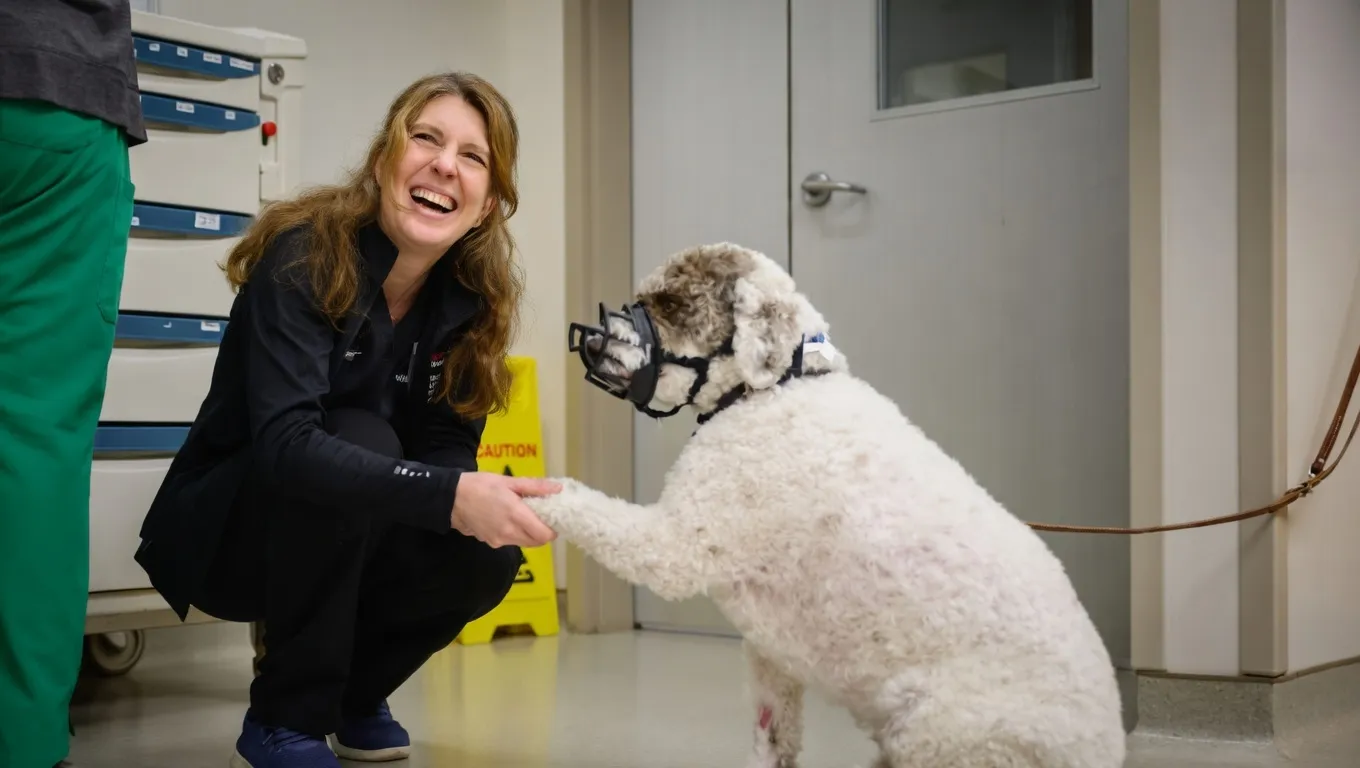
As a veterinarian, we understand the special bond between dogs and their owners. A dog-loving couple recently hailed Dr. Ina Herrmann, a veterinary dermatologist at NC State, as the epitome of exceptional care for their beloved dog, Hudson. Hudson, a Lagotto Romagnolo, suffered from severe skin allergies, and Dr. Herrmann's expertise in veterinary dermatology provided the much-needed relief. In this article, we will delve into the world of dog skin allergies, anxious dog care, and innovative treatments, highlighting the importance of finding the right veterinarian for your furry friend.
Table of Contents
Introduction to Dog Skin Allergies
Dog skin allergies are a common issue affecting many breeds, including Bichon Frise and Lagotto Romagnolo. These allergies can cause significant discomfort, leading to incessant scratching, hair loss, and skin infections. As a pet owner, it's essential to recognize the signs of skin allergies and seek professional help from a veterinary dermatologist like Dr. Ina Herrmann. We recommend scheduling regular check-ups with your veterinarian to monitor your dog's skin health and address any concerns promptly.
Understanding Canine Atopic Dermatitis
Also Read
Check out more pet care guides hereCanine atopic dermatitis is a chronic skin condition caused by an overactive immune response to environmental allergens. This condition can be challenging to manage, but with the right treatment and care, your dog can lead a comfortable life. Dr. Herrmann's expertise in veterinary dermatology has helped numerous dogs, including Hudson, find relief from skin allergies. We advise pet owners to work closely with their veterinarian to develop a personalized treatment plan, which may include transdermal immunotherapy, medication, or dietary changes.
Common Breeds Affected by Skin Allergies
| Breed | Allergy Prevalence |
|---|---|
| Lagotto Romagnolo | High |
| Bichon Frise | Moderate |
| Other breeds | Varying levels |
As a veterinarian, I always emphasize the importance of early detection and treatment of skin allergies. By working together with your veterinarian, you can help your dog lead a happy, healthy life.
Innovative Treatments for Dog Skin Allergies
In recent years, innovative treatments like needle-free allergy treatment and transdermal immunotherapy have revolutionized the management of dog skin allergies. These treatments offer a more comfortable and effective alternative to traditional methods. Dr. Herrmann's experience with these treatments has been instrumental in helping dogs like Hudson find relief. We encourage pet owners to discuss these options with their veterinarian to determine the best course of treatment for their dog.
Case Study: Hudson's Journey
Hudson, a Lagotto Romagnolo, was diagnosed with severe skin allergies. Under Dr. Herrmann's care, Hudson underwent transdermal immunotherapy, which significantly improved his skin health. Hudson's owners, Jackie Jaloszynski and Sid Bragg, were thrilled with the results and praised Dr. Herrmann's exceptional care. We are proud to share stories like Hudson's, which highlight the impact of dedicated veterinarians on the lives of pets and their owners.
Expert Tips for Anxious Dog Care
Anxious dog care is an essential aspect of pet ownership. Dogs like Hudson, who suffer from skin allergies, may experience increased anxiety due to discomfort and stress. As a veterinarian, we recommend the following tips to help alleviate your dog's anxiety:
- Provide a calm environment: Create a peaceful atmosphere to help your dog relax.
- Use positive reinforcement: Reward your dog for calm behavior.
- Consider calming aids: Consult with your veterinarian about calming aids like pheromone diffusers or calming treats.
By following these tips and working with a dedicated veterinarian like Dr. Herrmann, you can help your dog feel more at ease and improve their overall well-being.
Avoid Common Mistakes
As a pet owner, it's essential to avoid common mistakes that can exacerbate your dog's skin allergies and anxiety. These include:
- Delaying veterinary care: Seek professional help promptly to address skin allergies and anxiety.
- Ignoring signs of anxiety: Recognize and address your dog's anxiety to prevent escalation.
- Using inappropriate treatments: Consult with your veterinarian before using any treatments or remedies.
Conclusion
In conclusion, dog skin allergies and anxious dog care require attention, patience, and the right professional guidance. Dr. Ina Herrmann's exceptional care and expertise in veterinary dermatology have made a significant difference in the lives of dogs like Hudson. As a pet owner, we encourage you to seek out dedicated veterinarians like Dr. Herrmann and work closely with them to develop a personalized treatment plan for your dog. By doing so, you can help your furry friend lead a happy, healthy life. Remember, your dog's health and well-being are in your hands, and with the right care and attention, they can thrive.
Dr. Amelia Richardson
DVM, Senior Veterinary Editor
Veterinarian with 12+ years of experience in small animal medicine, pet nutrition, and behavioral science. Passionate about helping pet owners provide the best care for their furry companions.
Leave a Comment