How Dogs Improve the Mental Health of Those in Rural Areas

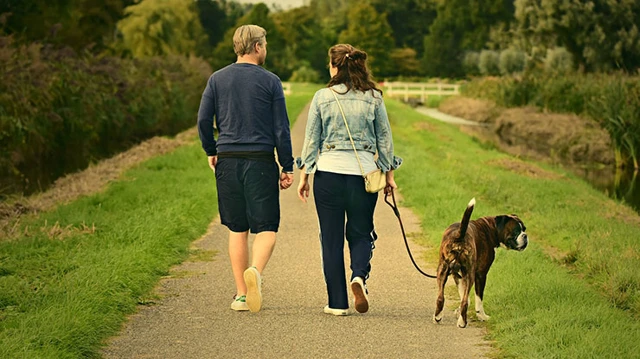
As a veterinarian, I've seen firsthand the profound impact dogs can have on the mental health of those living in rural areas. The bond between humans and dogs is unique, and it's no secret that dogs improve mental health, providing emotional support, reducing loneliness, and even helping to alleviate symptoms of depression and anxiety. In this article, we'll delve into the ways dogs can improve the mental health of those in rural areas, and provide expert advice on how to care for your furry friend.
Table of Contents
Introduction to Rural Mental Health Benefits
Rural areas can be beautiful and peaceful, but they can also be isolating, leading to feelings of loneliness and disconnection. Dogs can help bridge this gap, providing companionship and social connection to those who may be struggling. We've seen many cases where dogs have helped their owners meet new people, form friendships, and even join local dog-walking groups.
The Mental Health Benefits of Pet Ownership
Also Read
Check out more pet care guides hereThe mental health benefits of pet ownership are well-documented, and dogs are no exception. Studies have shown that dog owners experience reduced symptoms of anxiety and depression, improved mood, and even lower blood pressure. But what makes dogs so special? For one, their unconditional love and acceptance can be a powerful antidote to feelings of loneliness and isolation. As we always say, "dogs love us for who we are, not for what we do."
As a veterinarian, I've seen many cases where dogs have helped their owners cope with mental health issues. One client, who struggled with depression, credited her dog with helping her get out of bed in the morning. The dog's need for exercise and attention gave her a sense of purpose and motivation.
In addition to providing emotional support, dogs can also encourage physical activity, which is essential for mental health. Whether it's a walk around the block or a hike through the countryside, dogs love to get moving, and their owners often benefit from the exercise as well. We recommend at least 30 minutes of exercise per day for dogs, which can be broken up into shorter sessions throughout the day.
| Breed | Exercise Needs | Grooming Needs |
|---|---|---|
| Labrador Retriever | High | Medium |
| French Bulldog | Low | Low |
| German Shepherd | High | High |
Dogs and Social Connection
Dogs have a way of bringing people together, and this can be especially important in rural areas where social connections may be limited. Whether it's at the local dog park or on a group hike, dogs can help their owners meet new people and form friendships. We've seen many cases where dogs have helped their owners join local dog-walking groups or even start their own dog-related businesses.
Therapeutic Benefits of Dogs
Dogs have been used therapeutically for years, providing comfort and support to those in need. From visiting nursing homes to assisting with PTSD, dogs have a unique ability to sense and respond to human emotions. As a veterinarian, I've seen firsthand the impact dogs can have on mental health, and I believe they should be an integral part of any mental health treatment plan.
Expert Tips for Rural Dog Owners
As a veterinarian, I've worked with many rural dog owners, and I've learned a thing or two about what works and what doesn't. Here are some expert tips for rural dog owners:
- Make sure your dog is getting enough exercise and mental stimulation. This can be as simple as a walk around the block or a game of fetch in the backyard.
- Consider investing in a dog door or fence to give your dog more freedom and independence.
- Don't be afraid to reach out to local dog owners or dog-walking groups for support and companionship.
Common Mistakes to Avoid
While dogs can be a wonderful addition to rural life, there are some common mistakes to avoid. Here are a few:
- Don't leave your dog alone for extended periods of time without providing adequate exercise and mental stimulation.
- Make sure your dog is up-to-date on all vaccinations and preventatives, especially in rural areas where diseases may be more prevalent.
- Don't neglect your dog's grooming needs, as this can lead to skin problems and other health issues.
Conclusion
In conclusion, dogs can have a profound impact on the mental health of those living in rural areas. From providing emotional support and companionship to encouraging physical activity and social connection, dogs are truly a gift to rural communities. As a veterinarian, I've seen firsthand the benefits of dog ownership, and I believe that dogs should be an integral part of any mental health treatment plan. So if you're considering getting a dog, don't hesitate – the benefits to your mental health will be well worth it.
Remember, dogs improve mental health, reduce loneliness, and provide unconditional love and companionship. They are truly a valuable asset to rural communities, and we should do everything in our power to support and care for them. By following the tips and advice outlined in this article, you can help ensure that your dog is happy, healthy, and thriving – and that you're getting the most out of your relationship with your furry friend.
Dr. Amelia Richardson
DVM, Senior Veterinary Editor
Veterinarian with 12+ years of experience in small animal medicine, pet nutrition, and behavioral science. Passionate about helping pet owners provide the best care for their furry companions.
Leave a Comment