How Much Exercise Does Your Dog Need?

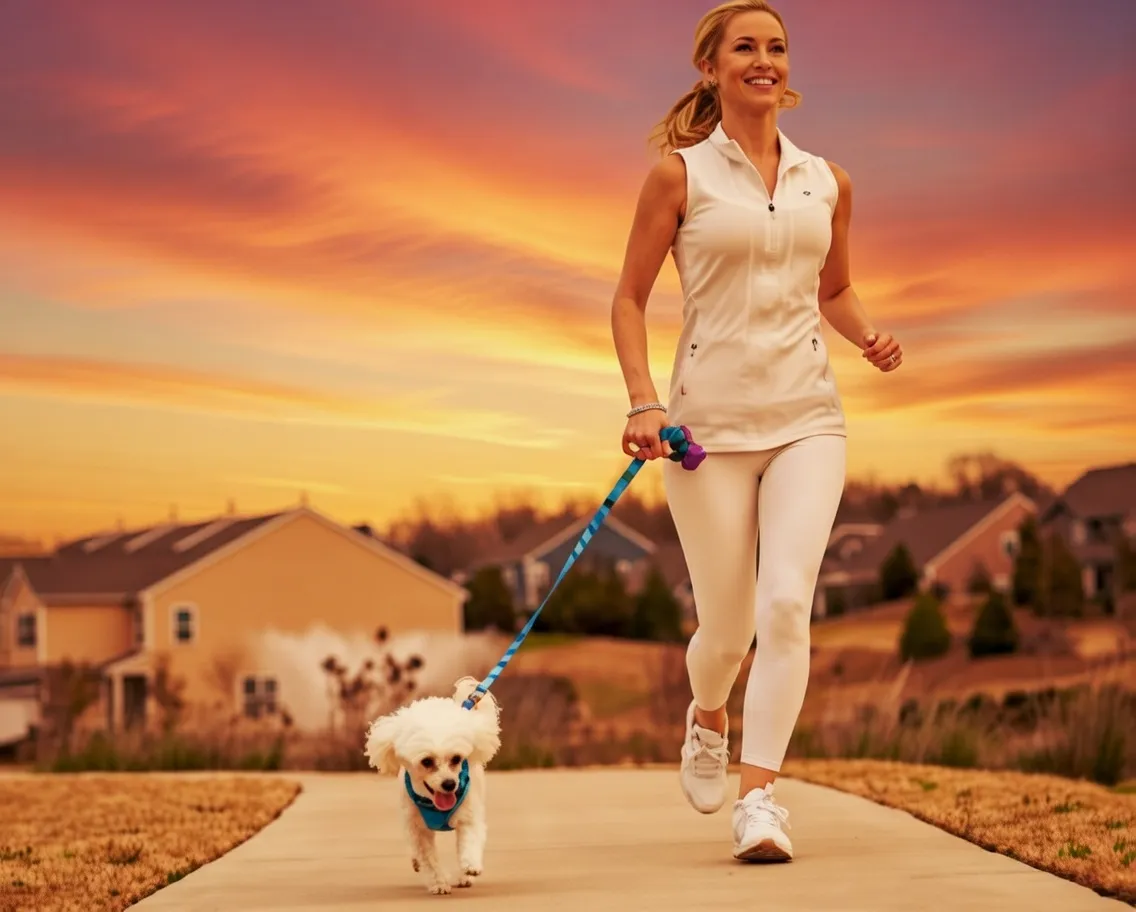
As pet owners, we want to provide the best possible life for our dogs, and one crucial aspect of their well-being is exercise. Regular physical activity is essential for maintaining our dogs' physical and mental health, preventing obesity, and strengthening the bond between us and our canine companions. However, determining the right amount of exercise for our dogs can be challenging, as it depends on various factors such as breed, age, size, and individual energy levels. In this article, we will delve into the world of dog exercise needs, exploring how much to walk your dog, daily exercise requirements, and breed-specific exercise needs.
Table of Contents
Introduction to Dog Exercise Needs
Exercise is a vital component of our dogs' daily lives, and it's essential to understand that each dog is unique, with different exercise needs. As pet owners, we must consider our dogs' individual characteristics, such as age, breed, and health status, when determining their exercise requirements. For example, puppies and senior dogs have different exercise needs than adult dogs, and certain breeds, such as Greyhounds and Bulldogs, require less exercise than high-energy breeds like Border Collies and Australian Shepherds.
Determining Your Dog's Exercise Requirements
Also Read
Check out more pet care guides hereTo determine your dog's exercise needs, you should consider the following factors: age, breed, size, and health status. Puppies, for instance, require more frequent, shorter exercise sessions to prevent overexertion and promote healthy growth. Adult dogs, on the other hand, need regular, moderate-intensity exercise to maintain their physical and mental health. Senior dogs, however, may require less intense, shorter exercise sessions due to potential health issues and decreased mobility.
A general rule of thumb is to provide at least 30 minutes of exercise per day for adult dogs, but this can vary depending on the individual dog's needs and circumstances. - Dr. Amelia Richardson, Veterinarian
Daily Exercise for Dogs
Daily exercise for dogs can include a variety of activities, such as walking, running, playing fetch, and engaging in playtime. The key is to find activities that your dog enjoys and that provide the right level of physical and mental stimulation. For example, if you have a high-energy breed, you may need to provide more intense, longer exercise sessions, while low-energy breeds may require shorter, more gentle activities.
| Breed | Exercise Needs | Duration | Frequency |
|---|---|---|---|
| High-Energy Breeds (e.g., Border Collies, Australian Shepherds) | Intense, long-duration exercise (e.g., running, agility training) | 60-90 minutes | 2-3 times per day |
| Medium-Energy Breeds (e.g., Golden Retrievers, Labrador Retrievers) | Moderate-intensity exercise (e.g., walking, playing fetch) | 30-60 minutes | 1-2 times per day |
| Low-Energy Breeds (e.g., Bulldogs, Pugs) | Short, gentle exercise (e.g., short walks, playtime) | 15-30 minutes | 1 time per day |
Breed-Specific Exercise Needs
While individual dogs have unique exercise needs, certain breeds have specific requirements due to their breed characteristics, such as energy level, size, and health status. For example, Greyhounds are bred for short, intense sprints, while Bulldogs are prone to respiratory issues and require shorter, more gentle exercise sessions.
Large and Giant Breeds
Large and giant breeds, such as Great Danes and Mastiffs, require regular, moderate-intensity exercise to maintain their joint health and prevent obesity. However, they may be prone to joint issues and should avoid high-impact activities, such as jumping and running.
Expert Tips for a Happy and Healthy Dog
As pet owners, we can implement various strategies to ensure our dogs receive the right amount of exercise and maintain their overall health and well-being. Here are some expert tips:
- Consult with your veterinarian to determine your dog's specific exercise needs based on their age, breed, and health status.
- Start with short, gentle exercise sessions and gradually increase duration and intensity as your dog becomes more comfortable.
- Provide a variety of activities to keep your dog engaged and stimulated, such as walking, playing fetch, and engaging in playtime.
- Monitor your dog's behavior and adjust their exercise routine accordingly. If your dog appears tired or stressed, it may be necessary to reduce the intensity or duration of their exercise sessions.
Common Mistakes to Avoid
While exercising our dogs is essential, there are common mistakes to avoid to prevent overexertion, injury, or stress. Here are some mistakes to watch out for:
- Overexerting your dog, especially in hot weather or without proper hydration.
- Providing too little exercise, leading to boredom, obesity, and behavioral issues.
- Ignoring your dog's individual needs and breed characteristics.
- Failing to monitor your dog's behavior and adjust their exercise routine accordingly.
Conclusion
In conclusion, determining your dog's exercise needs is crucial for maintaining their physical and mental health, preventing obesity, and strengthening the bond between you and your canine companion. By considering your dog's individual characteristics, such as age, breed, and health status, and providing a variety of activities to keep them engaged and stimulated, you can ensure your dog leads a happy, healthy life. Remember to consult with your veterinarian to determine your dog's specific exercise needs and avoid common mistakes to prevent overexertion, injury, or stress.
Please note that the information provided in this article is for general guidance only and should not be considered as a substitute for professional veterinary advice. If you have any concerns about your dog's health or exercise needs, consult with your veterinarian for personalized advice.
Dr. Amelia Richardson
DVM, Senior Veterinary Editor
Veterinarian with 12+ years of experience in small animal medicine, pet nutrition, and behavioral science. Passionate about helping pet owners provide the best care for their furry companions.
Leave a Comment