What Is Catnip? Why Cats Like It

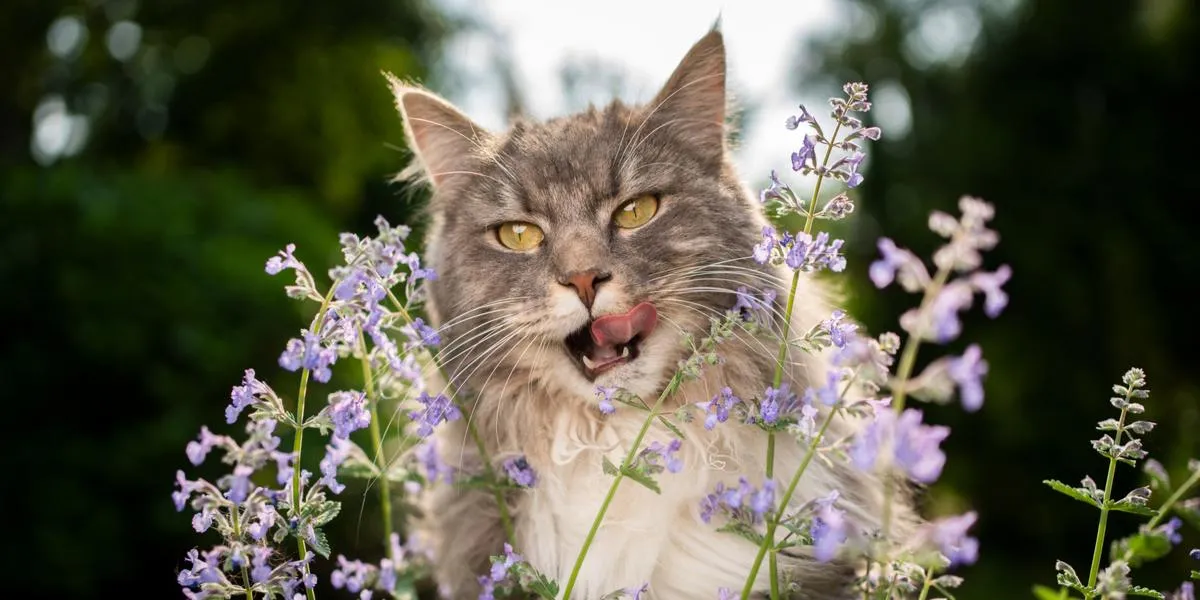
As a veterinarian and pet care expert, we often get asked about the mysterious and intriguing world of catnip. What is catnip, and why do cats love it so much? The answer lies in the unique properties of this herb and its effects on our feline friends. In this comprehensive guide, we'll delve into the world of catnip, exploring its benefits, safety, and uses, as well as providing expert tips and advice on how to incorporate it into your cat's life.
Table of Contents
Introduction to Catnip
Catnip, also known as Nepeta cataria, is a perennial herb belonging to the mint family. It contains a unique chemical compound called nepetalactone, which is responsible for its effects on cats. The nepetalactone binds to receptors in the cat's nasal tissue and brain, causing a response that's often described as euphoric.
Benefits and Effects of Catnip
Also Read
Check out more pet care guides hereThe effects of catnip on cats can vary, but common reactions include rolling, rubbing, licking, and even drooling. Some cats may become more energetic and playful, while others may become calm and relaxed. The benefits of catnip include:
| Benefit | Description |
|---|---|
| Stress Relief | Catnip can help reduce stress and anxiety in cats. |
| Play Stimulation | Catnip can stimulate play and exercise in cats, helping to maintain their physical and mental health. |
| Calming Effects | Catnip can have a calming effect on some cats, helping to reduce aggression and fear. |
As a veterinarian, we recommend using catnip in moderation and as part of a balanced and varied enrichment program.
Remember, every cat is different, and it's essential to observe your cat's individual response to catnip and adjust your approach accordingly.
Safety and Precautions
While catnip is generally considered safe for cats, there are some precautions to take. Cats can become desensitized to catnip if exposed to it too frequently, so it's essential to limit the frequency and duration of catnip use. Additionally, some cats may experience adverse reactions, such as vomiting or diarrhea, if they ingest large amounts of catnip.
Is Catnip Addictive?
Catnip is not addictive in the classical sense, but cats can become habituated to its effects. If you're concerned about your cat's catnip use, consult with your veterinarian for personalized advice.
Expert Tips and Advice
Here are some expert tips for using catnip safely and effectively:
- Use high-quality, organic catnip to minimize the risk of contamination and adverse reactions.
- Start with small amounts and gradually increase the frequency and duration of catnip use based on your cat's response.
- Combine catnip with other enrichment activities, such as play and exercise, to create a balanced and varied program.
- Consider using catnip toys, scratching posts, and other products to provide a stimulating and engaging environment for your cat.
Common Mistakes to Avoid
Avoid common mistakes, such as:
- Overusing catnip, which can lead to desensitization and reduced effectiveness.
- Using low-quality or contaminated catnip, which can pose health risks to your cat.
- Failing to observe your cat's individual response to catnip and adjust your approach accordingly.
Conclusion
In conclusion, catnip is a unique and fascinating herb that can have a profound impact on your cat's behavior and health. By understanding the benefits and effects of catnip, taking necessary precautions, and using it in moderation, you can provide your feline friend with a stimulating and engaging environment that promotes their physical and mental well-being. Remember to always consult with your veterinarian if you have any concerns or questions about catnip or your cat's health.
Dr. Amelia Richardson
DVM, Senior Veterinary Editor
Veterinarian with 12+ years of experience in small animal medicine, pet nutrition, and behavioral science. Passionate about helping pet owners provide the best care for their furry companions.
Leave a Comment