Why Does My Cat Attack My Feet?

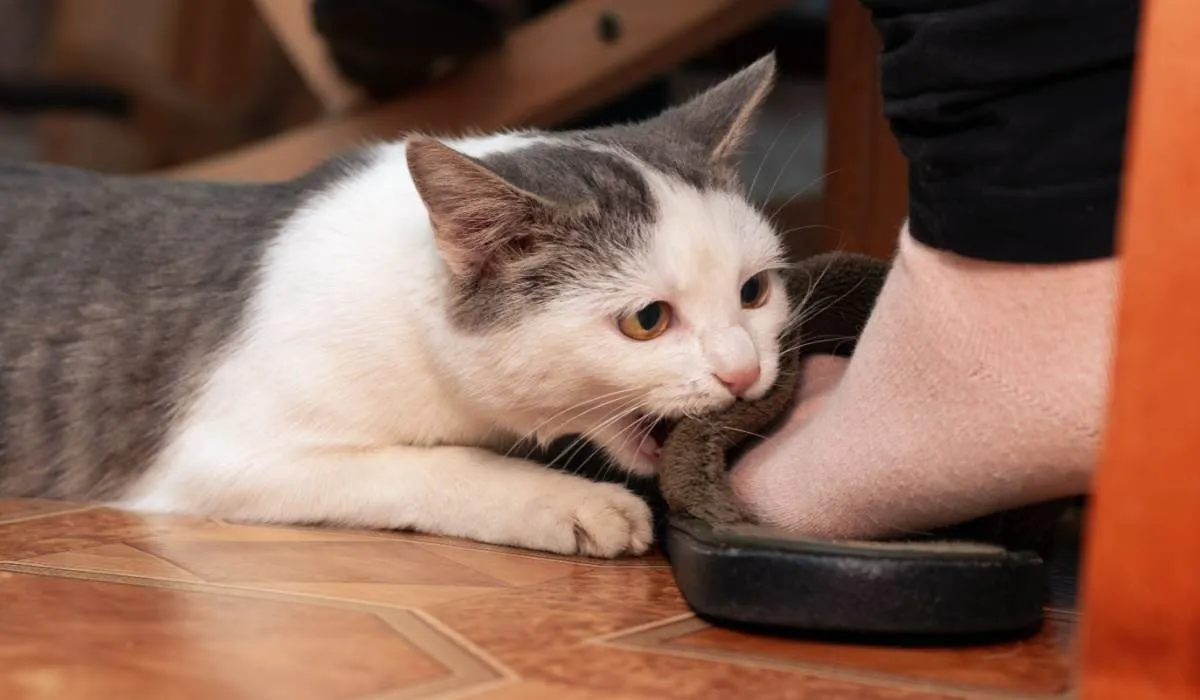
As a veterinarian, we've encountered numerous cases where cat owners are puzzled by their cat's sudden attacks on their feet. This behavior can be alarming, especially if your cat is generally affectionate and playful. However, it's essential to understand that cats exhibit this behavior due to various reasons, including their natural hunting instinct, play aggression, or even boredom. In this article, we'll delve into the possible reasons behind your cat's foot-attacking behavior and provide you with practical tips to address this issue.
Table of Contents
Understanding Cat Behavior
Before we dive into the reasons behind your cat's foot-attacking behavior, it's crucial to understand cat behavior in general. Cats are natural predators, and their instincts drive them to hunt and pounce on moving objects, including feet. Additionally, cats exhibit play aggression, which can be misinterpreted as real aggression. It's essential to recognize the difference between play aggression and real aggression to address the issue effectively.
Why Does My Cat Attack My Feet?
Also Read
Check out more pet care guides hereThere are several reasons why your cat might be attacking your feet. Some of the possible reasons include:
- Cat hunting instinct behavior: As mentioned earlier, cats are natural predators, and their instincts drive them to hunt and pounce on moving objects.
- Cat play aggression: Cats exhibit play aggression, which can be misinterpreted as real aggression.
- Cat boredom behavior signs: Cats can get bored if they don't have enough stimulation, leading to aggressive behavior.
- Kitten teething biting feet: Kittens often bite and chew on objects, including feet, as part of their teething process.
It's essential to identify the underlying reason behind your cat's behavior to address it effectively. For instance, if your cat is attacking your feet due to boredom, providing interactive toys and engaging in playtime activities can help alleviate the issue.
Cat Attack Body Language Signs
Recognizing cat attack body language signs is crucial to understanding your cat's behavior. Some common signs include:
- Stalking behavior: Cats often stalk their prey, including feet, before pouncing.
- Pouncing: Cats pounce on their prey, which can be alarming if it's your feet.
- Growling or hissing: Cats may growl or hiss if they feel threatened or if they're exhibiting real aggression.
As a veterinarian, it's essential to note that cats can exhibit different types of aggression, including play aggression, fear-based aggression, and territorial aggression. Understanding the underlying reason behind your cat's aggression is crucial to addressing the issue effectively.
Expert Tips to Stop Cat Aggression
To stop cat aggression, it's essential to provide your cat with enough stimulation and engage in playtime activities. Some expert tips include:
| Tip | Description |
|---|---|
| Provide interactive toys | Engage your cat with interactive toys, such as feather wands or laser pointers, to provide mental and physical stimulation. |
| Engage in playtime activities | Engage in playtime activities, such as chasing or pouncing, to provide exercise and mental stimulation. |
| Redirect cat aggression | Redirect your cat's aggression by providing alternative targets, such as toys or scratching posts. |
Positive Reinforcement for Cats
Positive reinforcement is an effective way to train your cat and address aggression. Reward your cat with treats or praise when they exhibit desired behavior, such as gentle play or calmness.
Common Mistakes to Avoid
When addressing cat aggression, it's essential to avoid common mistakes that can exacerbate the issue. Some common mistakes include:
- Punishing your cat: Punishing your cat can lead to fear-based aggression and worsen the issue.
- Ignoring the issue: Ignoring the issue can lead to continued aggression and potentially harm your relationship with your cat.
Conclusion
In conclusion, understanding why your cat attacks your feet is crucial to addressing the issue effectively. By recognizing the underlying reason behind your cat's behavior and providing enough stimulation and playtime activities, you can help alleviate the issue. Remember to avoid common mistakes, such as punishing your cat or ignoring the issue, and instead, focus on positive reinforcement and redirecting aggression. If you're concerned about your cat's behavior, consult with a veterinarian for personalized advice.
Dr. Amelia Richardson
DVM, Senior Veterinary Editor
Veterinarian with 12+ years of experience in small animal medicine, pet nutrition, and behavioral science. Passionate about helping pet owners provide the best care for their furry companions.
Leave a Comment